Books
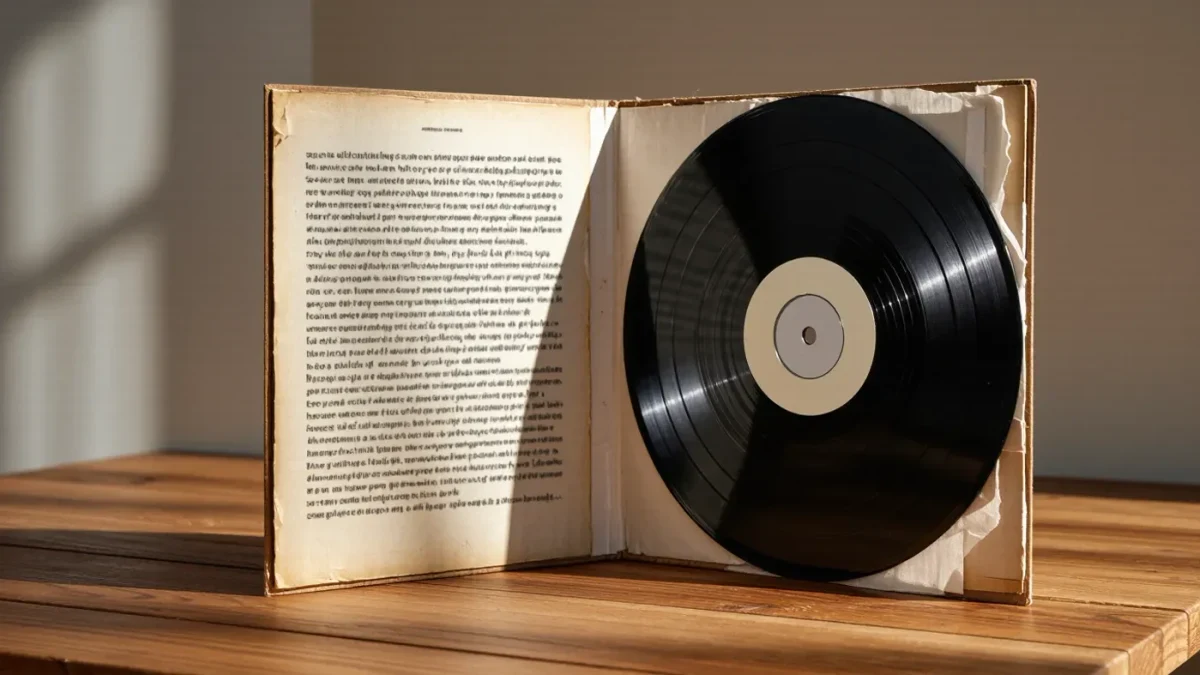
The Sleeve Essay: a short history of liner notes as a literary form
From the back of a 12-inch LP to the digital booklet, liner notes grew into a genre of writing with its own masters — and then lost its home.
Biographies, technical manuals, oral histories and composer memoirs reviewed for accuracy and usefulness, with a note on who each book is for.
From the back of a 12-inch LP to the digital booklet, liner notes grew into a genre of writing with its own masters — and then lost its home.
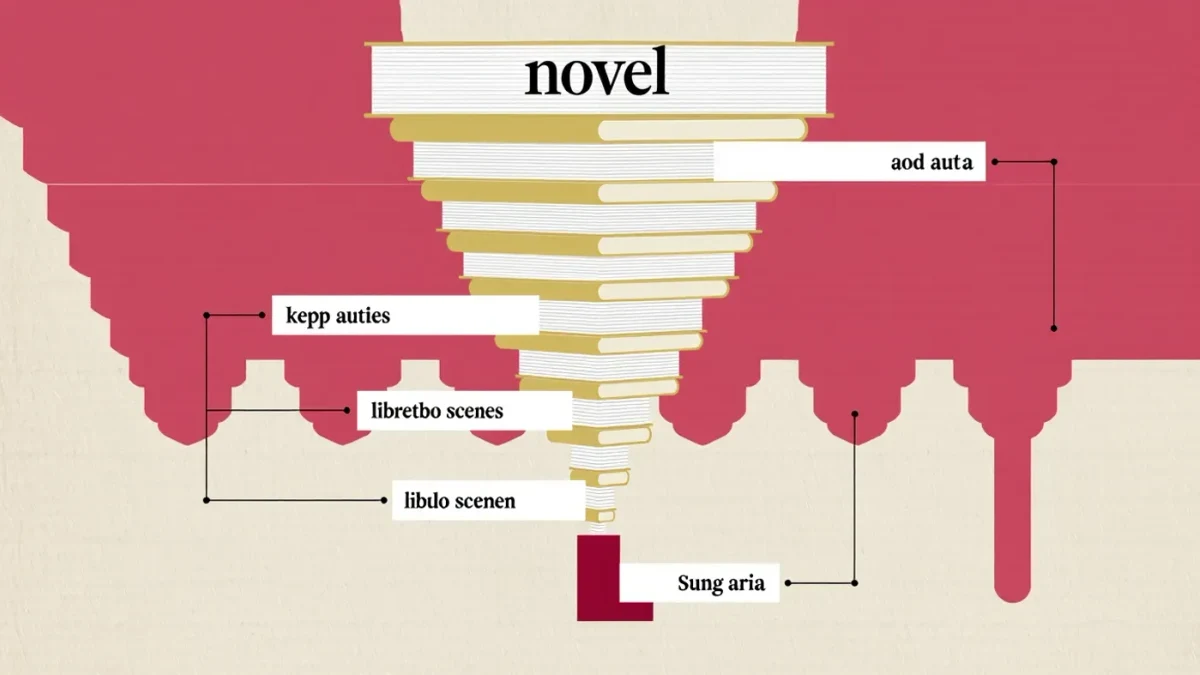
Opera adaptation strips a novel to its skeleton and then rebuilds the body in music; what gets cut and what gets kept is the whole craft.

Four memoirs by working composers — from Virgil Thomson to Ennio Morricone — document the routines, doubts, and paperwork behind the music that screens and concert halls rarely show.
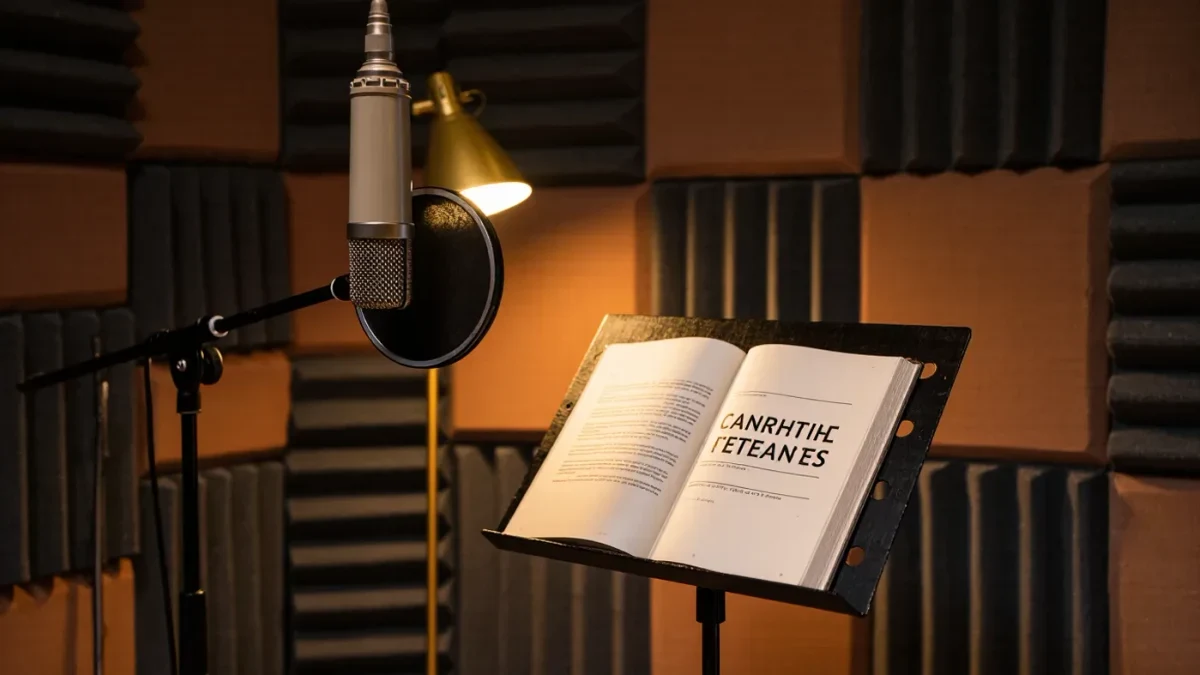
Pace, pitch and timed silence give a single speaking voice the same structural power a score gives a film.
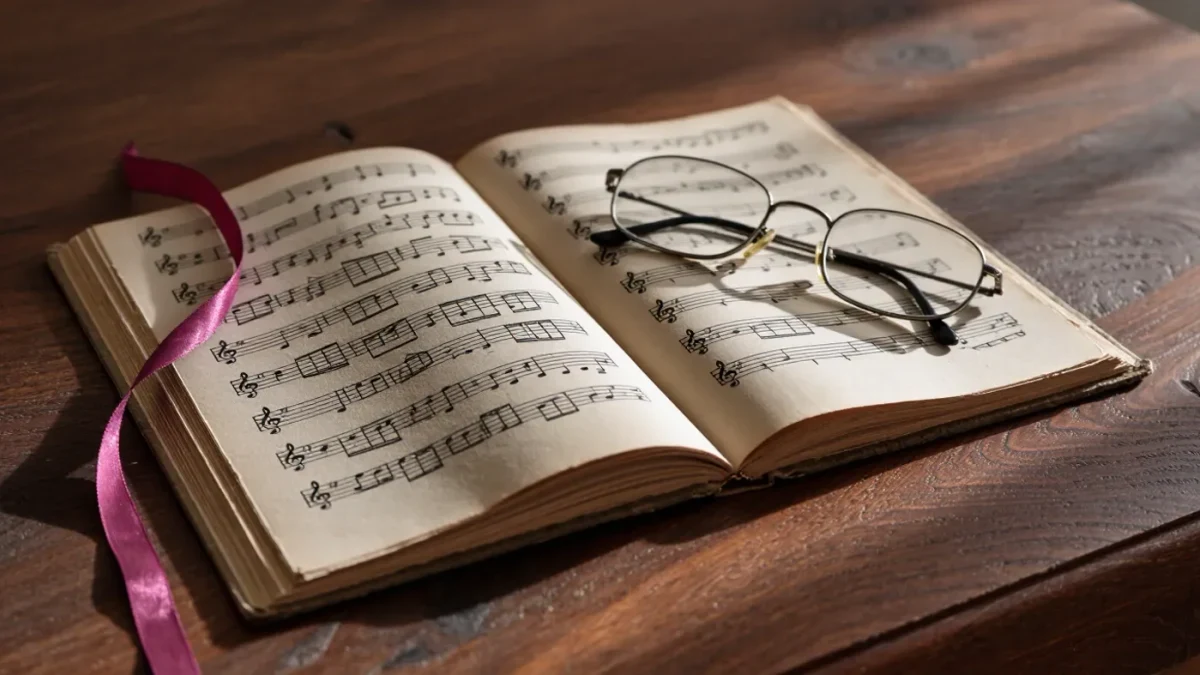
A printed score is a narrative document — and a reader without an instrument can follow it, once the five lines, the marks between them, and the stage directions are understood.
Novels about musicians solve an impossible problem — describing sound with silence — and their techniques are a study in narrative craft.