Narratives
Rooms in Order: Why the Suite Is Instrumental Storytelling
The suite — a chain of movements with no libretto — has always implied a story through order alone, from Bach's dance rooms to Grieg's fjord tableaux.
Long-form analysis of how a score is built across a whole work: theme development, recurring cues, and the shape an audience registers unconsciously.
The suite — a chain of movements with no libretto — has always implied a story through order alone, from Bach's dance rooms to Grieg's fjord tableaux.
The ballad is the oldest surviving technology for putting a story inside a song — and its verse form still sets the grammar for narrative music from folk to film score.
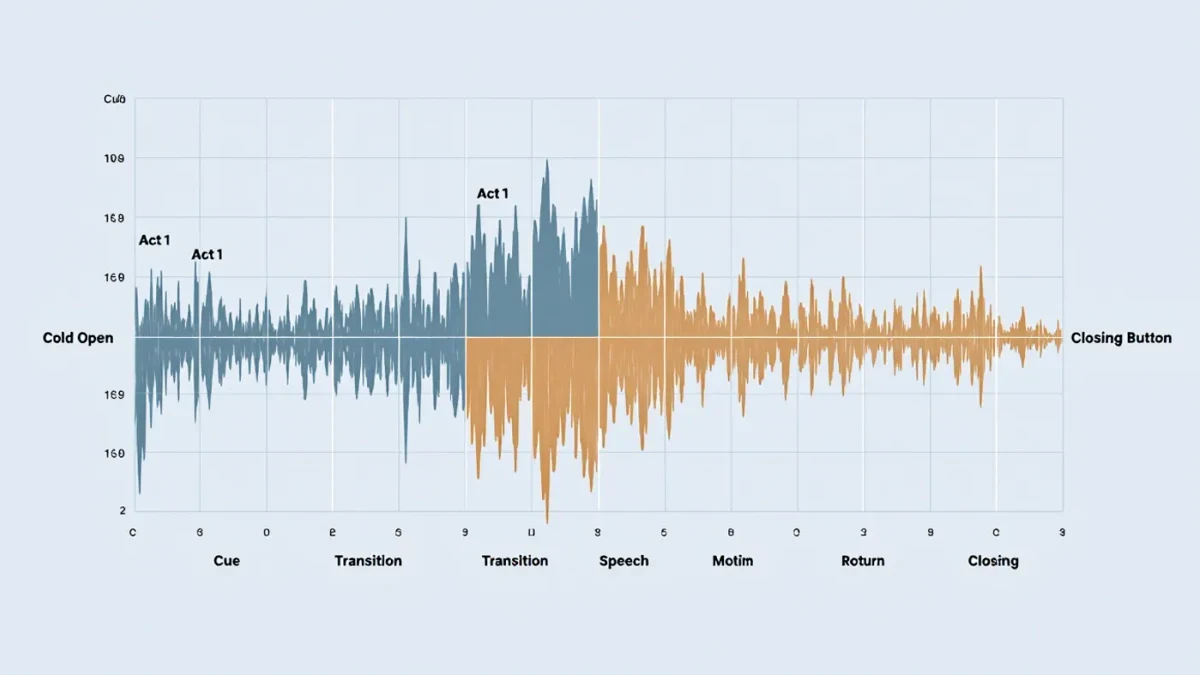
Without a screen to lean on, serialized audio uses composed music to mark time, place and dread — a craft with its own rules.
Before screens filled living rooms, orchestras, thunder sheets and carefully timed silence told whole stories through the radio speaker.
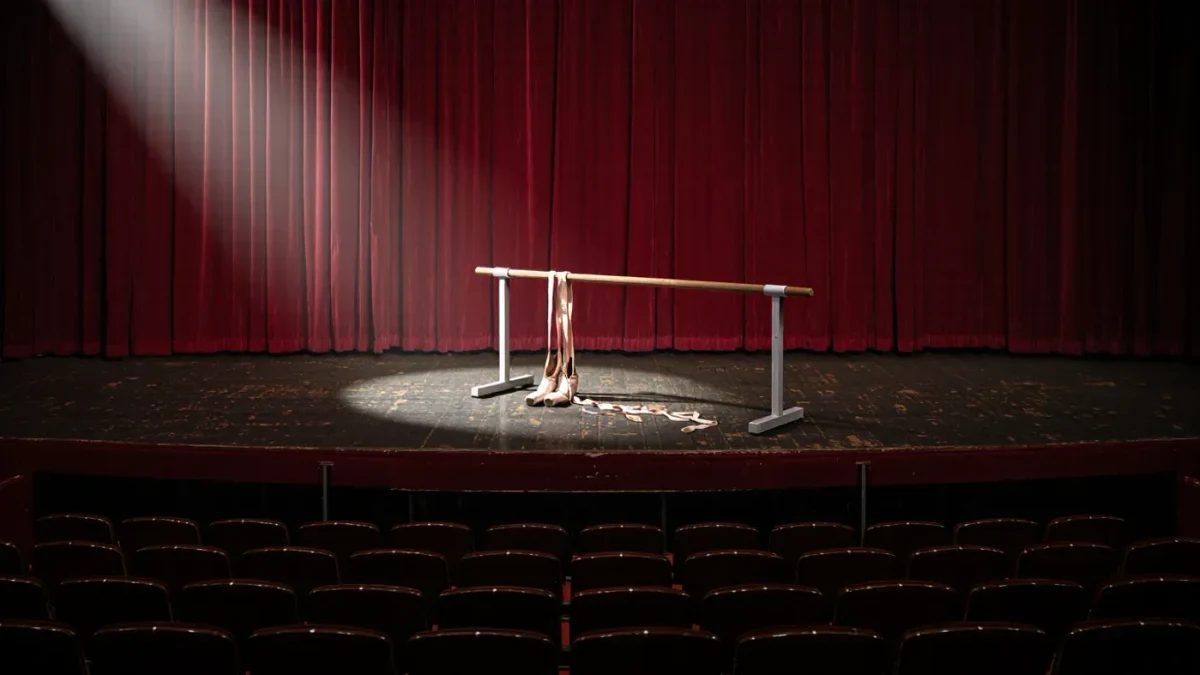
From Swan Lake to Romeo and Juliet, ballet music faces the strangest brief in composition: tell the whole story with no dialogue at all.
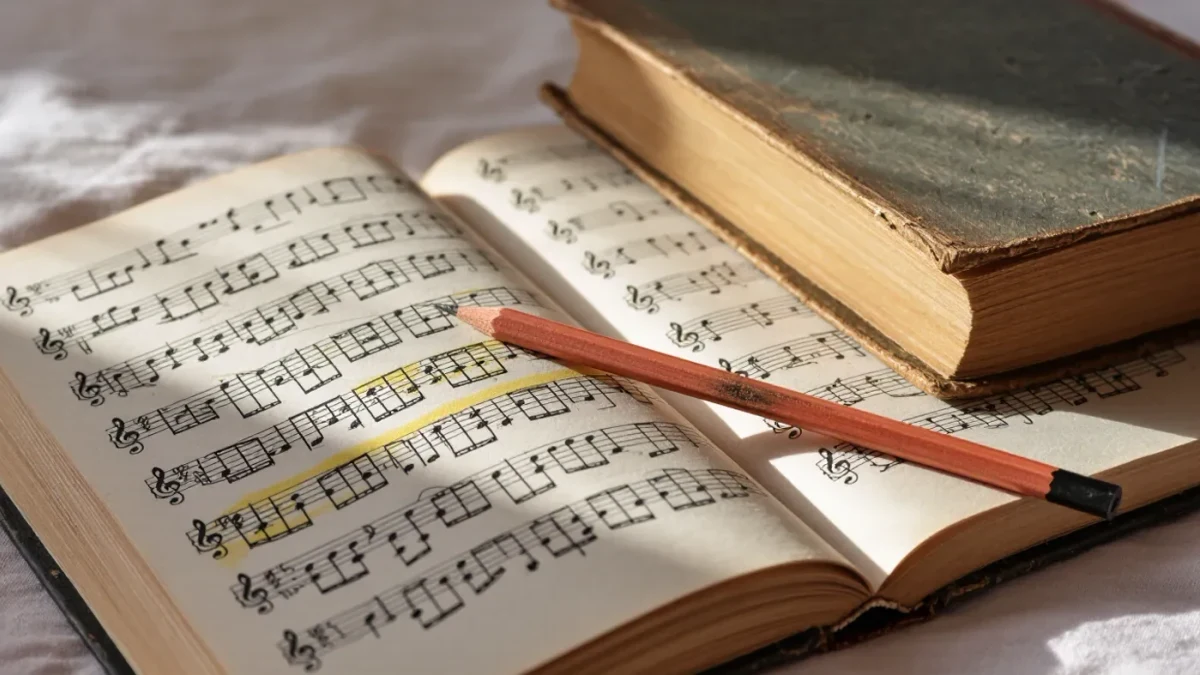
When a novel or a life becomes a musical, the story is rebuilt around songs, a book, and a clock that runs about two and a half hours.