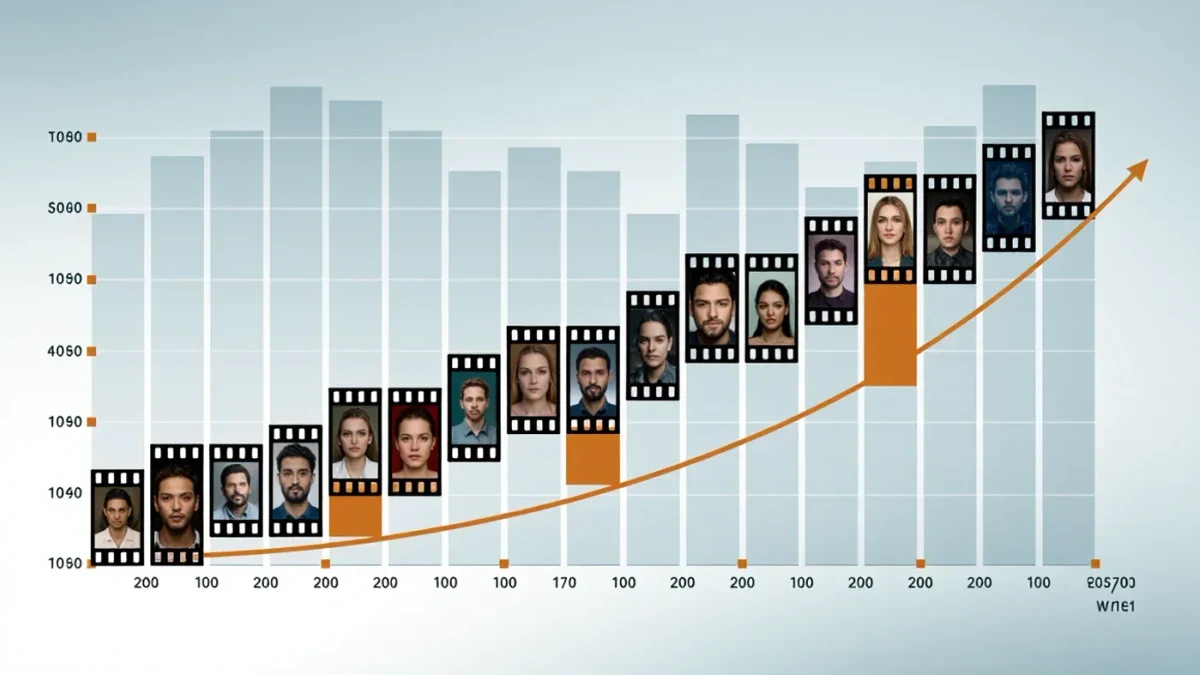
Storytelling
Cut First, Cue Second: how montage editing shapes a score
The montage sequence is where editing and music write each other — a craft convention born on the Odessa Steps and still governing how composers receive a cut.
The mechanics of musical narrative: how a motif carries information, how silence functions, and why an audience feels a plot turn before seeing it.
The montage sequence is where editing and music write each other — a craft convention born on the Odessa Steps and still governing how composers receive a cut.

Adaptive, layered and re-sequenced in real time, video game scores turn the audience into an editor — and the craft has finally caught the Grammys' attention.
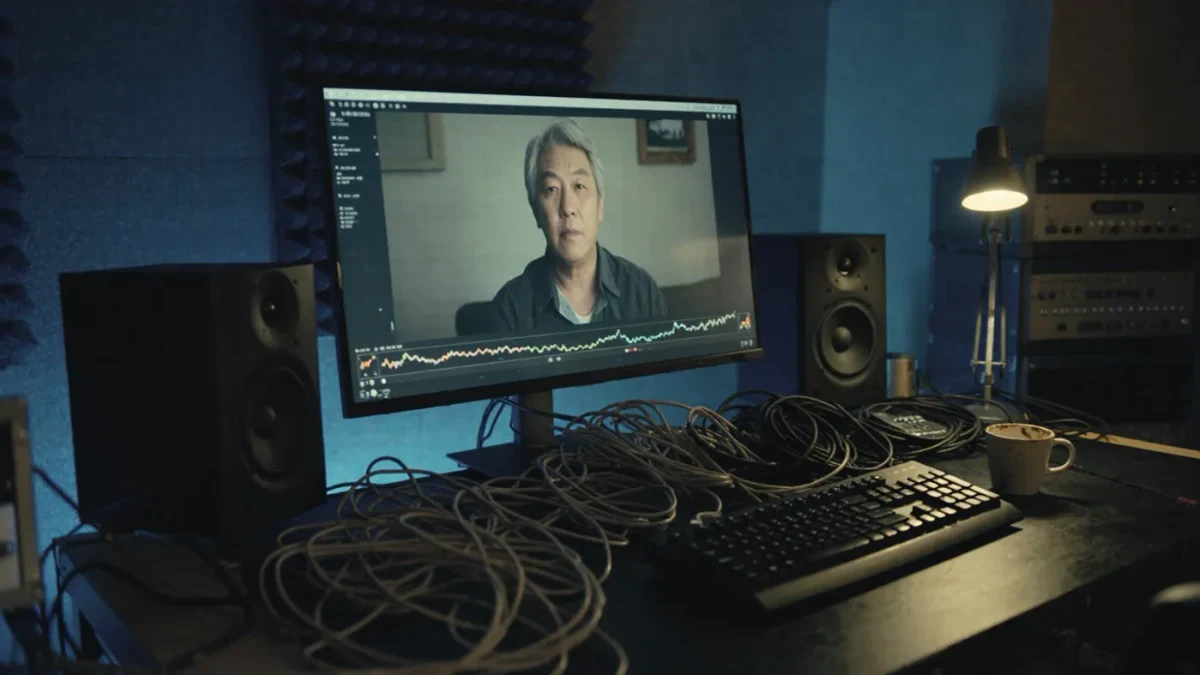
A documentary score walks into real lives and rearranges their meaning — which is why the craft carries ethical weight that fiction scoring never has to carry alone.

Some composers skip the hummable theme entirely and assign a character a chord or a mode — a harmonic signature that works below conscious hearing.
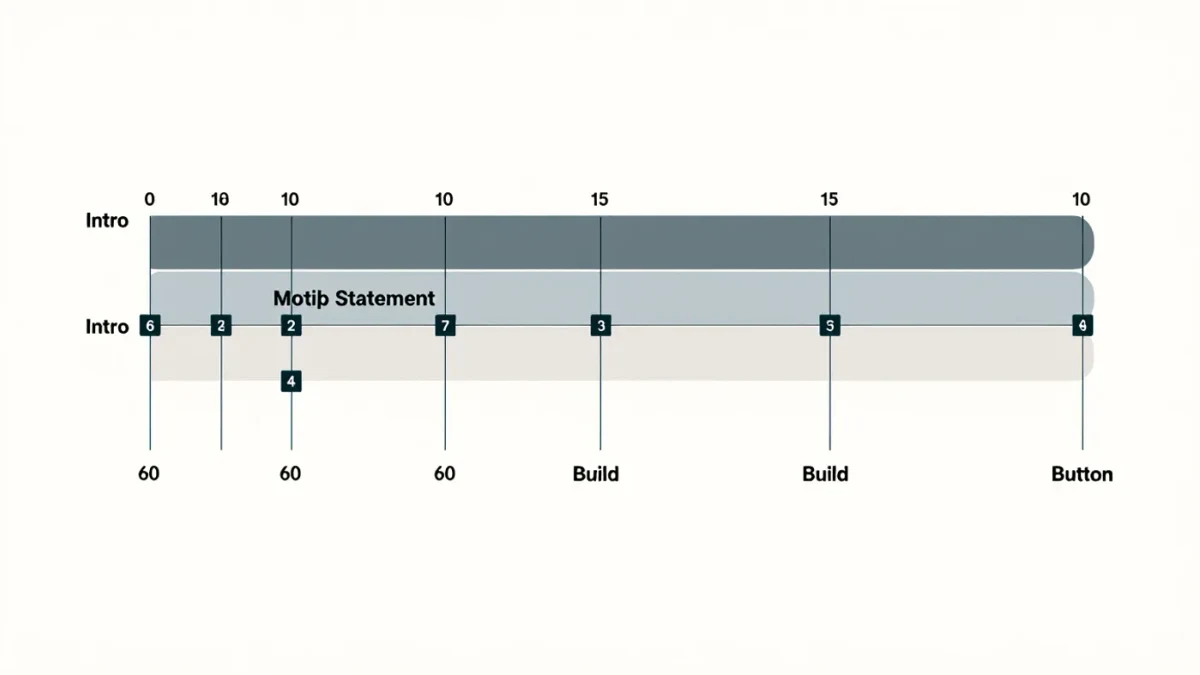
The main title is the shortest complete piece of music a screen composer ever writes, and the most binding.
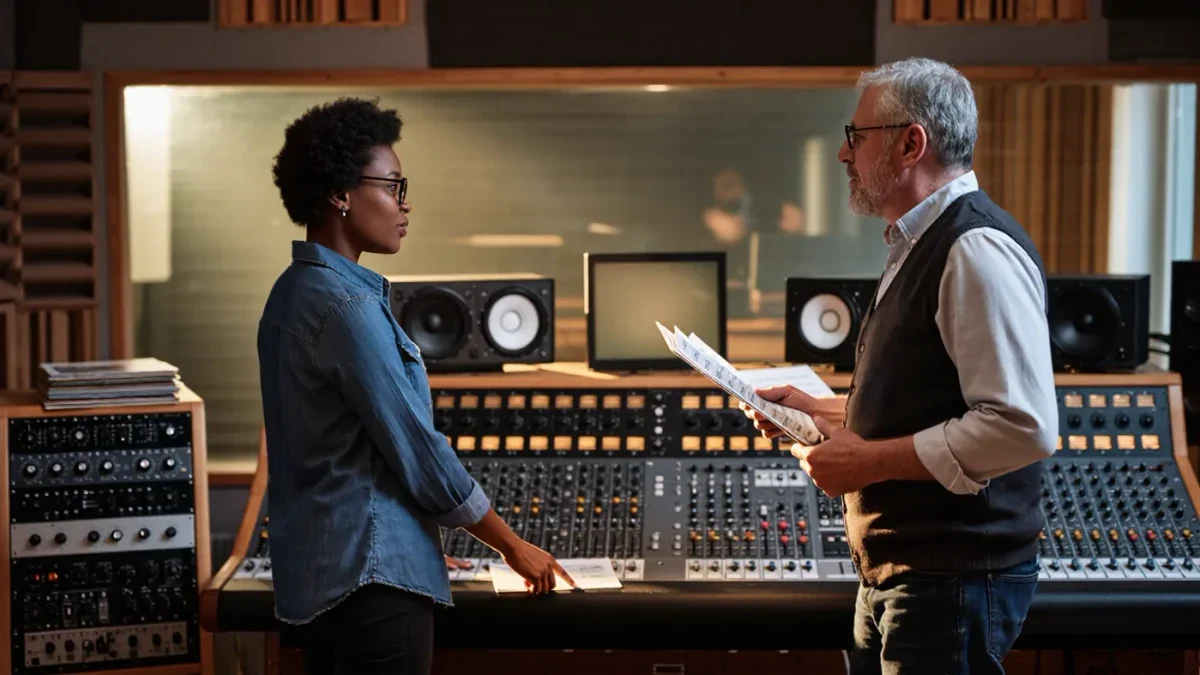
One licenses the songs the characters might hear; the other writes the music only the audience can — and the opening credits of nearly every film and series depend on both.